News analysis ·
IBM beats but slips: reading segments and margin
IBM topped third-quarter forecasts, yet its shares fell after hours. We show how segment lines and gross margin explain a beat that did not lift the stock.
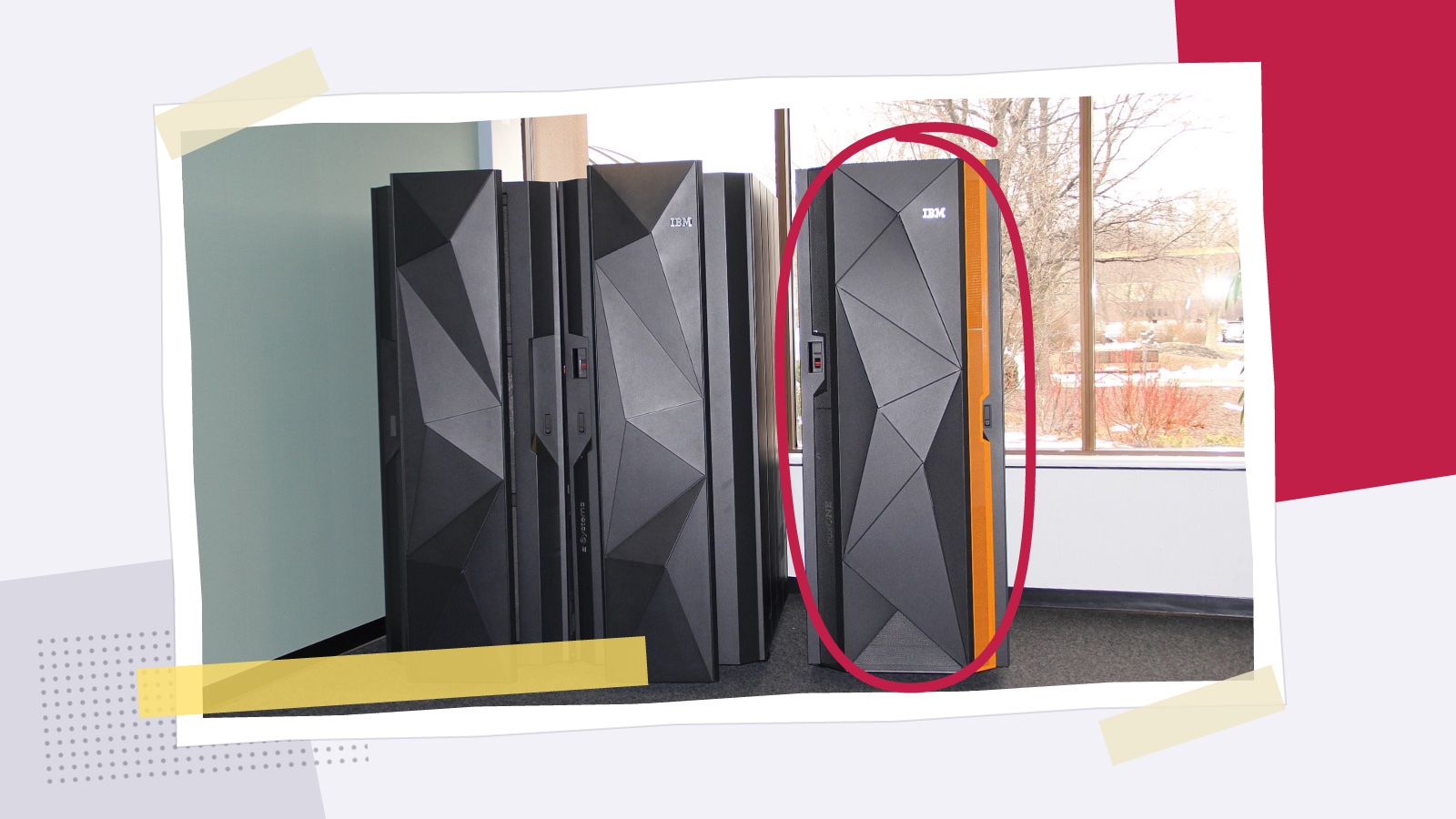
IBM reported third-quarter results on Wednesday that came in ahead of analyst forecasts, according to CNBC. Yet the stock moved lower in after-hours trading the same evening. This article looks at the lines below the headline, segment revenue and gross margin, and explains why a beat on the top line does not settle how a report is received.
The headline in plain words
A company beats when its results come in above the average forecast of the analysts who follow it. That average is called the consensus. CNBC compared IBM's numbers with consensus figures from two data providers, LSEG and StreetAccount.
On the main lines, IBM did well. Total revenue grew about 5% from the same quarter last year. Net income was $2.19 billion ($2.30 a share), compared with $1.74 billion ($1.84 a share) a year earlier. Net income is the profit left after all costs, interest and taxes. Dividing it by the number of shares gives earnings per share.
So why did the shares slip? A single report rarely gives one clean answer. But the detail inside the report shows where the picture was less tidy than the headline.
The number behind it: segments and gross margin
Large companies split revenue into segments, the business units they report separately. IBM reports software, consulting and infrastructure. Reading each segment against its own consensus tells you which part of the business is carrying the result.
According to CNBC, the segments did not all move the same way:
- Software: $7.80 billion, up 8%, above the $7.66 billion StreetAccount estimate.
- Consulting: $5.34 billion, flat on the year, slightly under the $5.37 billion estimate.
- Infrastructure: $3.70 billion, up 4%, above the $3.57 billion estimate.
The second number to read is gross margin. It is revenue minus the direct cost of delivering the product or service, shown as a share of revenue. A higher figure means each dollar of sales keeps more profit before overhead. IBM's adjusted gross margin was 58.5%, below the 59.1% StreetAccount had expected. Adjusted means the company removed some items, in IBM's case adjustments tied to acquisitions.
Inside consulting, gross margin came in at 27.4%, down from 28.9% in the second quarter. That comparison is with the prior quarter, not the prior year, which is worth noting when you read it. Put together, revenue beat, but the business kept a smaller slice of that revenue than analysts had pencilled in. That is one way a beat can still disappoint.
What IBM said about the quarter
Finance chief Jim Kavanaugh said that AI work accounted for about 30% of quarterly consulting sales and 35% of the consulting backlog. Backlog is work that clients have signed for but that has not yet been delivered and booked as revenue. He also said IBM reinvested productivity gains into digital assets as it moves consulting toward what it calls a services as software model. That spending context matters when you read the lower consulting margin.
CEO Arvind Krishna said in the company statement that clients are using what IBM calls Super Intelligence to rework whole operating models. Statements like this describe strategy. They are not numbers you can check against a forecast.
During the quarter, IBM also agreed to buy HRL Laboratories from Boeing and General Motors. It did not disclose the price.
Reading the guidance lines
Guidance is a company's own forecast for coming periods. IBM now expects full-year free cash flow to grow by more than $1 billion. In July, it had guided to an increase of roughly $1 billion. Free cash flow is the cash left from operations after spending on equipment and similar investments.
IBM kept its 2026 outlook for constant-currency revenue growth of 4% to 5%. Constant currency strips out the effect of exchange-rate moves, so you see growth as if currencies had stayed still. On full-year revenue, Kavanaugh said analysts expect roughly $32 billion. "We feel comfortable with that $32 billion of revenue." Note the wording. Comfortable with an existing estimate is a confirmation, not a raise.
There is also context on the stock page. Through Wednesday's close, IBM shares were down 15%, while the S&P 500 had gained 13%, CNBC reported. The after-hours move came on top of that, and after-hours prices can shift once regular trading opens and more buyers and sellers take part.
How to check this yourself next time
When a company beats and the stock falls anyway, the answer is often in the second layer of the report. You can find it with a short routine.
- Open the results release and find the segment table. Compare each segment with its consensus estimate, not only total revenue.
- Find gross margin and check what it is compared with: the forecast, the prior quarter or the same quarter last year.
- Read the guidance section and note which items were raised, kept or only confirmed, then compare with the previous guidance.
This will not tell you where a stock goes next. It tells you what the market was reading when the price moved.
Sources
- CNBC, 21 Oct 2026
AI-drafted from the filings and reports above, then published automatically after checks that each number appears in a cited source and that no wording is copied. There was no human edit. Educational reading only, not a recommendation on any stock.