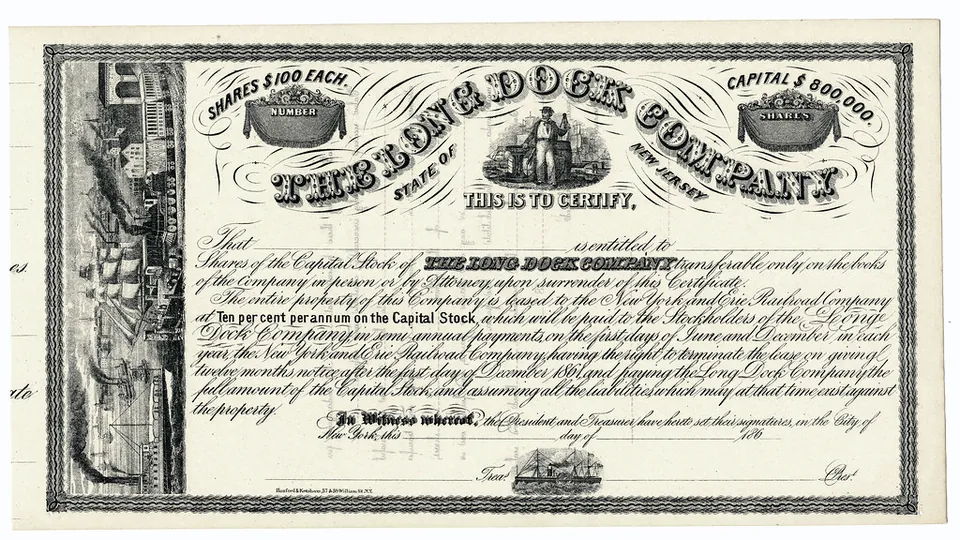
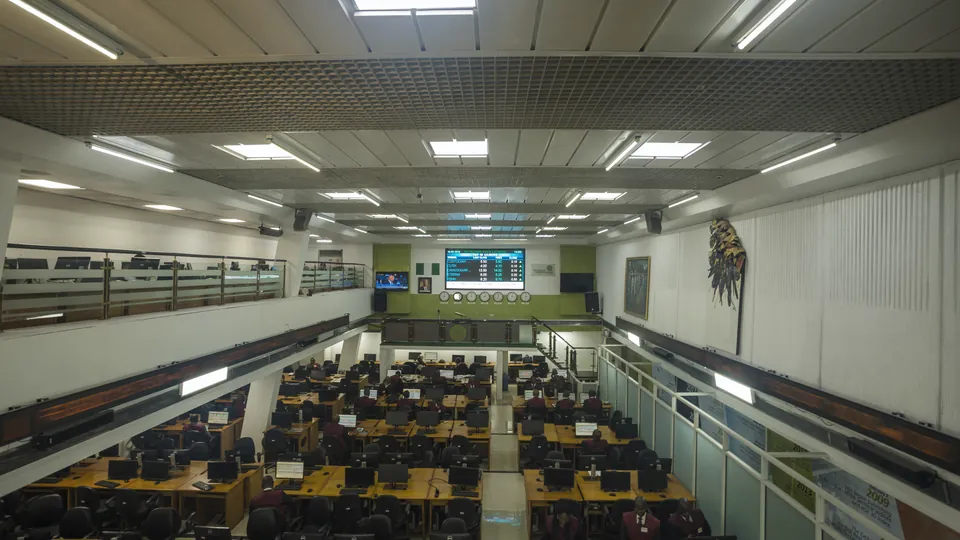
The stock market has its own vocabulary and its own plumbing. This topic takes it apart in the order a beginner meets it. A stock is a share of ownership in a corporation [1], it trades through brokers and exchanges, and strong demand from many buyers tends to push its price up [2]. None of that comes with a guarantee: you can lose money you invest in stocks [3].
Start with what is a stock, which explains what one share gives you, from voting and dividends to your place in line if a company fails. Then read how stock exchanges work for the NYSE, Nasdaq, regular hours of 9:30 a.m. to 4:00 p.m. Eastern Time and the 2026 holiday calendar [4].
When you are ready to act, how to buy your first stock walks through checking a broker, opening an account, choosing whole or fractional shares and what happens after you click buy. Market orders vs limit orders explains the choice that decides the price you pay, and what moves stock prices covers why prices rise and fall.
Every explainer uses invented example companies calculated in code, never live prices, ratings or tips, and links each rule and number to a primary source such as the SEC, FINRA or an exchange.
What an exchange is, how the NYSE and Nasdaq differ, where your broker sends your order, U.S. market hours and 2026 holidays, and what happens after the trade.
A market order fills fast at a price you do not control. A limit order controls the price but may not fill. How both work, plus stop orders and time-in-force, with a worked example.
Supply and demand, company news, interest rates, economic data and surprises versus expectations: the main forces behind stock price moves, with Federal Reserve research and a worked example.
Common stock is an ownership share in a company, usually with voting rights and no promised dividend. What it gives you and where it ranks if a company fails.
Preferred stock is equity with priority over common stock for dividends and in liquidation, usually with a fixed dividend and few or no votes. How it works.
No fixed minimum appears in the sources we cite. Some brokerage firms offer fractional shares, which let you own less than one full share, though the terms differ from firm to firm [5].
Is investing in stocks safe?
No investment in stocks is free of risk. There is no guarantee a company will grow, and large company stocks as a group have lost money on average about one out of every three years [3].