Start with this
Earnings & Analyst Ratings8 min read
How to read an earnings report
Where an earnings report comes from, the five numbers to read first, what beat or miss really means and why adjusted earnings need a second look.
Read the explainerEducation, not investment advice. Stocks can lose value. How we check every number
Topic
Every quarter a public company reports its results, and analysts publish their views on them. Learn to read the company's own numbers first, then judge everyone else's opinion of them.
Much of the conversation around a stock comes from two places: what the company reports and what analysts say about it. FINRA notes that earnings season typically begins in the first two weeks after each quarter ends, and that a company's shares might jump or tumble when investors compare its results with analysts' estimates [1]. This topic teaches you to read both sides calmly.
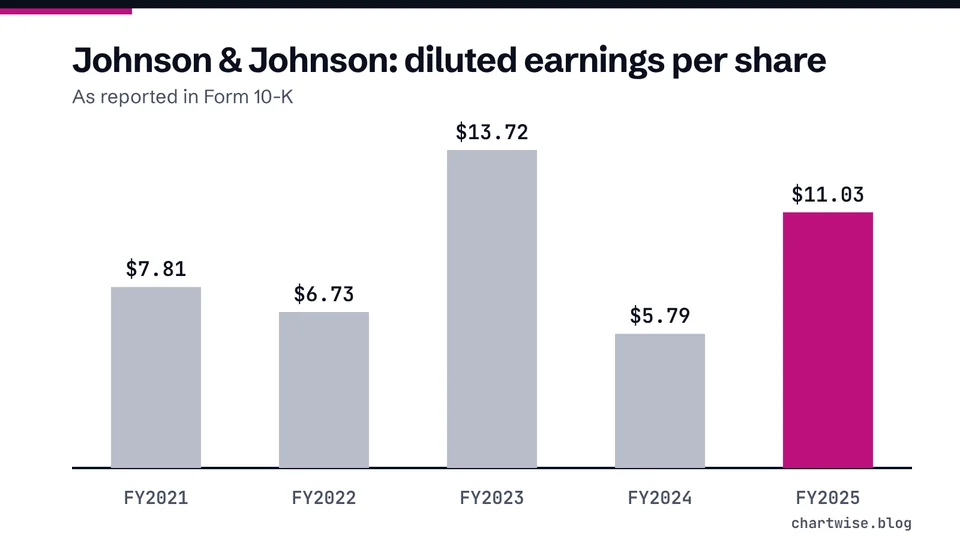
Start with how to read an earnings report, which gives a fixed reading order for revenue, net income, earnings per share and the outlook, applied to a real 10-K. Then read SEC filings explained to see where those numbers live: the audited annual 10-K, the quarterly 10-Q and the 8-K for events in between. All of them are free on the SEC's EDGAR database [2].
Analyst ratings and price targets explained covers who issues buy, hold and sell ratings, the conflicts of interest the SEC warns about and the disclosures FINRA rules require. The SEC's advice is to not rely solely on an analyst's recommendation [3].
Two more filings round out the picture. Insider buying and selling: Form 4 explained looks at how company insiders report their trades, and institutional ownership and 13F filings shows what large investment managers disclose about their holdings.
Short definitions live in the glossary, including stock split and share buyback. Every page here uses real filings or clearly labeled hypothetical examples calculated in code. ChartWise does not rate stocks or set price targets, and stocks can lose value whatever a report or rating says.
Start with this
Earnings & Analyst Ratings8 min read
Where an earnings report comes from, the five numbers to read first, what beat or miss really means and why adjusted earnings need a second look.
Read the explainerEarnings & Analyst Ratings7 min read
What analyst ratings and price targets are, why the people who set them can be conflicted, and the disclosures that help you judge them.
Earnings & Analyst Ratings7 min read
What the 10-K, 10-Q and 8-K each contain, which ones are audited, when they are due and how to find any company's filings for free.
Earnings & Analyst Ratings9 min read
Who files Form 4, how fast, how to read the transaction codes, and why a single insider sale is weak evidence about where a stock is going.
Earnings & Analyst Ratings7 min read
Who has to file a 13F, what it shows, what it leaves out, why the data is up to 45 days old when it appears, and how it compares with Form 4 and Schedule 13D.
 4-FOR-1 SPLIT
A stock split gives shareholders more shares at a lower price without changing the total value. How 2-for-1 and reverse splits work, with examples.
 AAPL · SHARE COUNT
A share buyback is a company buying back its own stock. How it changes the share count and EPS, how it is disclosed and taxed, with examples.
Start with how to read an earnings report. It shows which numbers to check, in what order, before you look at anyone's opinion.
On the SEC's EDGAR database, which gives free public access to company filings and can be searched by company name or ticker [2].
The SEC says investors should not rely solely on an analyst's recommendation and should do their own research [3]. Ratings can also be affected by conflicts of interest, which the analyst ratings guide explains.