News analysis ·
JetBlue's Liquidity vs Debt: Reading the Balance Sheet
JetBlue showed its new first-class cabin as bond worries linger. We explain liquidity, total debt and unencumbered assets, and how to read them.
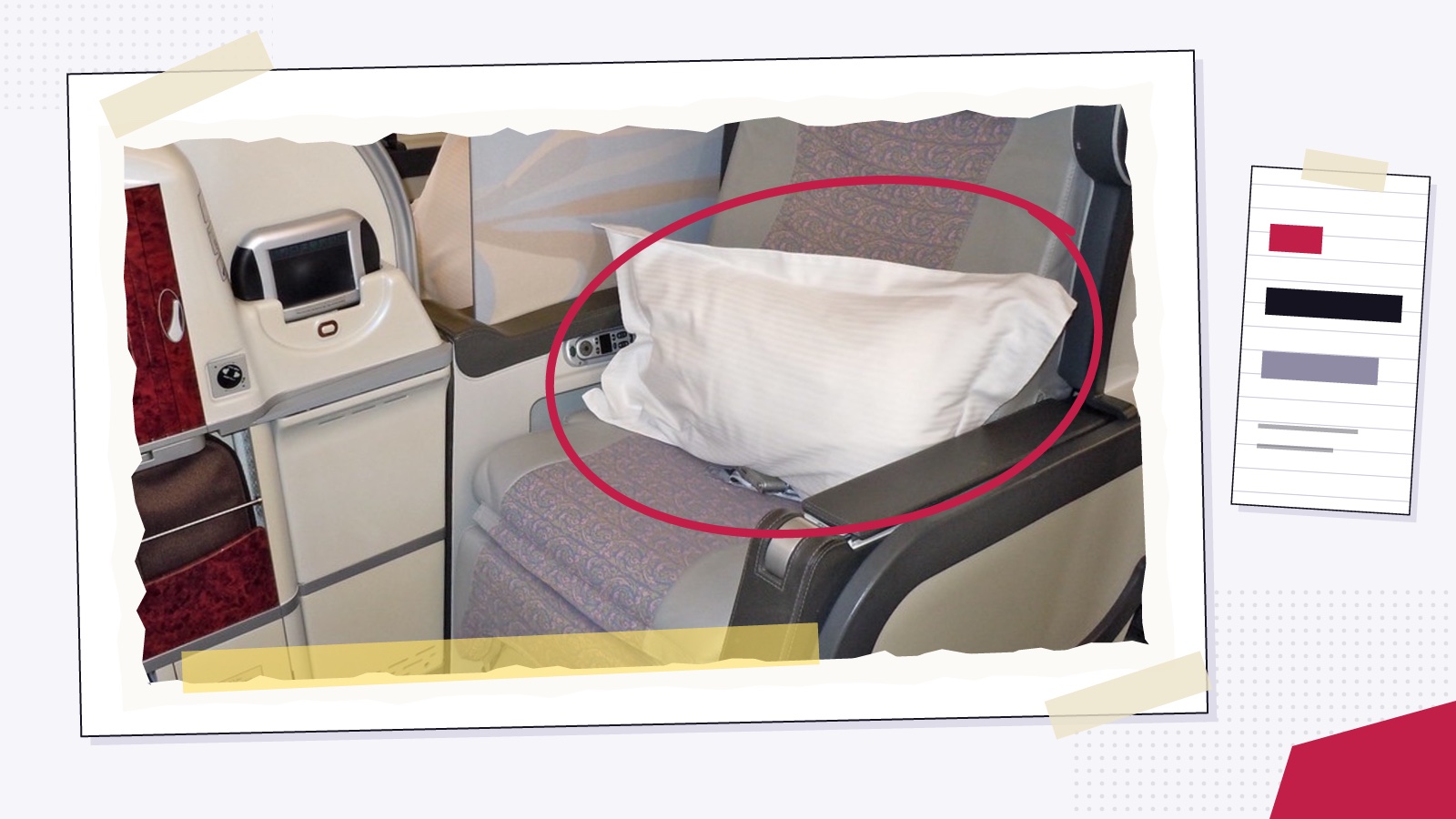
JetBlue Airways showed off its new domestic first-class cabin, called BlueFirst, at its Kennedy airport hub on Wednesday, CNBC reported. The seats are part of a plan to return to profit, but the bigger story for many investors sits in the balance sheet. This article looks at three numbers JetBlue has put in front of the market: liquidity, total debt and unencumbered assets.
The news in plain words
JetBlue first announced BlueFirst in December 2024. Planes with the new seats and full service start flying next month. CEO Joanna Geraghty told CNBC the retrofit work runs on through 2027. Each Airbus A320 gets 12 first-class seats. The extra-legroom section shrinks to 30 seats, where it used to hold 42.
The idea is simple. Premium seats sell for more. CNBC cited a March roundtrip between Kennedy and Fort Lauderdale-Hollywood at $847 in the new first-class recliner, against $446 in standard economy. Frontier Airlines unveiled its own first-class rows on Tuesday, so JetBlue is not alone in this bet.
The background is less comfortable. According to CNBC, the New York airline has not posted an annual profit since 2019. Last month its shares hit a record low after a report said bondholders had hired restructuring advisors.
The numbers behind it
When bond investors get nervous about a company, the first questions are about cash and debt. JetBlue's third-quarter report gave answers to both, and the cabin launch put those figures back in focus.
- Liquidity: $2.2 billion at the end of Q3. Liquidity is the money a company can reach quickly. It usually means cash and short-term investments, and often includes unused credit lines. It tells you how long the company can pay its bills if business stays weak.
- Total debt: $8.4 billion as of Sept. 30. This is everything the company has borrowed and still owes, from bonds to loans and other financing. It comes from the earnings filing.
- Unencumbered assets: $7 billion, with aircraft and engines making up $2.8 billion of it. Unencumbered means not already pledged as collateral to a lender. These assets could back new secured borrowing if the company needed it.
Read together, the three numbers answer different questions. Debt shows the size of the obligation. Liquidity shows the cushion available right now. Unencumbered assets show what else the company could borrow against. None of them alone tells you whether a company is safe, and the timing of when the debt comes due matters as much as the total.
What JetBlue said
Geraghty has pushed back hard on restructuring talk. On Oct. 27 she said JetBlue has no plan to file for bankruptcy and is not working with any restructuring firm. She also said the airline had met some creditors in recent weeks as routine investor engagement, and had made clear to bondholders that it does not need to reorganize.
She described a "fundamental disconnect between the narrative in the bond market and what our financial results actually demonstrate." Asked last month whether cost control would mean furloughs, layoffs or buyouts, she rejected all three.
The company's turnaround plan has two stated goals. The first is to reach an operating profit next year. The second is adjusted earnings per share of $1 in 2028. Operating profit is what is left from revenue after the costs of running the business, before interest and taxes. Adjusted earnings per share is profit per share after the company removes items it considers one-off, so it is worth checking which items are removed when the figure arrives.
Airline executives expect fares to stay high next year because of fuel, labor and airport fees, and Geraghty said she doubts fares will fall much even if fuel eases. That matters for the plan, because higher fares help cover higher costs.
Why the stock page and the bond story can differ
By midday Wednesday, JetBlue shares had gained more than 40% this month, ahead of other passenger airlines, according to CNBC. They were still down about 11% year to date. A big monthly jump after a record low can say more about how pessimistic the starting point was than about a change in the business.
Bondholders look at the same company from another seat. They care less about upside and more about getting paid back. That is why a cash cushion and spare collateral can calm lenders even before profits return. For stock investors, the risk is that a company spends its cushion before its plan works. Anyone who owns shares or bonds in a company with this much debt can lose money, including all of it if the company fails.
How to check this yourself next time
You can find these figures for any listed company in its quarterly filing, known as the 10-Q, or in the earnings release.
- Find the liquidity figure in the earnings release, then look at the balance sheet to see how much is cash and how much is an undrawn credit line.
- Find total debt and read the debt note in the filing, which lists when each loan or bond is due.
- Look for any mention of unencumbered or unpledged assets, and compare each new quarter with the last one to see whether the cushion is growing or shrinking.
Sources
- CNBC, 11 Nov 2026
AI-drafted from the filings and reports above, then published automatically after checks that each number appears in a cited source and that no wording is copied. There was no human edit. Educational reading only, not a recommendation on any stock.