Glossary
Preferred stock: priority over common, with trade-offs
Preferred stock sits between a company's bonds and its common stock. It gets paid before common shareholders, but it usually gives up most of the vote, and its price moves less.
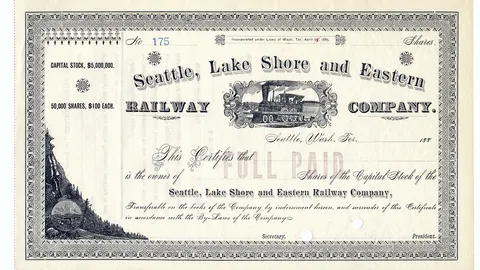
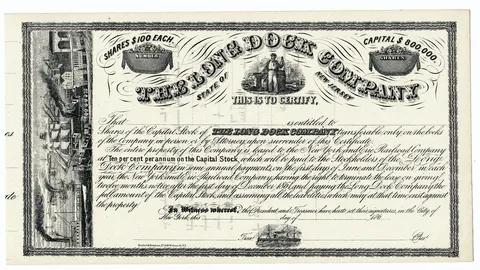
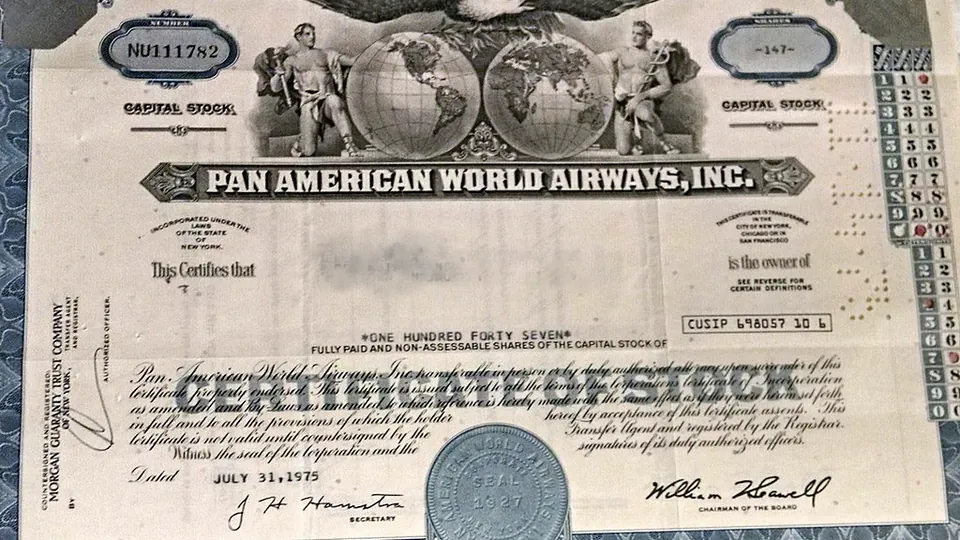
Preferred stock is a class of ownership in a company with preferential rights over common stockholders, such as being paid dividends first and ranking ahead of common stock in a liquidation. It usually pays a fixed dividend and usually carries limited or no voting rights.
Quick answer
Preferred stock is equity with preferential rights over common stock, such as liquidation preference and rights to dividends [1]. Most preferred pays a fixed dividend before any common dividend and usually carries no vote [2].
Key points
- Preferred dividends are paid before common dividends, and preferred holders rank ahead of common holders in a bankruptcy [3].
- Most preferred stock pays a fixed dividend, stated in dollars or as a percentage of par value, and usually carries no voting rights [2].
- Preferred still ranks behind bondholders, and FINRA notes its price doesn't move as much as common stock prices [5] [3].
On this page
What is preferred stock?#
The SEC describes preferred stock as a security that represents an ownership interest, or equity, in a company with preferential rights over common stockholders. Its examples include liquidation preference, anti-dilution protection, rights to dividends and limited voting rights, such as electing designated directors or approving major transactions [1].
Nasdaq's glossary sums up the trade-off: preferred stock has characteristics of both common stock and debt [2]. Like a bond, it usually pays a set amount. Like a share, it is ownership, not a loan. FINRA describes preferred stock as something some companies issue in addition to common stock, usually with a fixed dividend similar to the coupon on a bond [3].
| Feature | Preferred stock | Common stock |
|---|---|---|
| Dividend | Usually fixed, paid first | Optional, can be cut or stopped |
| Voting | Usually none or limited | Usually votes for directors |
| Rank in liquidation | Ahead of common, behind bonds | Last |
| Price movement | Moves less than common | Moves more |
Sources: Nasdaq [2] [4], FINRA [3], New York Attorney General [5].
How do preferred dividends work?#
Most preferred stock pays a fixed dividend that is paid before the common stock dividend, stated as a dollar amount or as a percentage of par value [2]. A state investor guide puts it the same way: preferred dividends are usually paid at a fixed rate and before dividends are paid on common stock [5].
"Fixed" does not mean certain. The details depend on the terms of each issue. With cumulative preferred stock, dividends accrue if the issuer does not make timely payments; the opposite is non-cumulative preferred [6]. Check which kind you hold in the security's offering documents. Our page on how dividends work covers declaration and payment dates.
Is preferred stock safer than common stock?#
Safer in rank, not safe. In a bankruptcy, obligations to preferred stockholders must be met before those to common stockholders [3], and Nasdaq notes preferred holders generally have a prior claim on assets in liquidation [2]. But preferred holders' interest is subordinate to the company's debts to bondholders [5]. Ranking ahead of common stock is not a promise of repayment, and you can lose money you invest in stocks [7].
The trade-offs run the other way too. FINRA notes that the price of preferred stock doesn't move as much as common stock prices [3]. Preferred stock does not usually carry voting rights [2], so you have little say in how the company is run. Before buying, check on the stock quote and in the offering documents which class of shares you are looking at.
Frequently asked questions#
Does preferred stock have voting rights?
Can a company stop paying preferred dividends?
Is preferred stock more like a stock or a bond?
Both. Nasdaq describes it as having characteristics of both common stock and debt [2].
The bottom line#
Preferred stock buys priority: dividends paid before common shareholders and a better place in line if the company is liquidated. The price of that priority is usually a fixed payout, little or no vote and smaller price moves. It still ranks behind bondholders and can lose value. Compare it with common stock or read what a stock is.
Sources
Education only. This page is not investment, tax or legal advice. Stocks can lose value. See our risk disclosure.